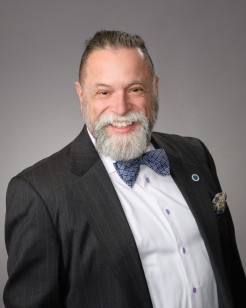
The founding group included:
- Dr. John Leonard (Southern California), CAL-ACAP’s first president,
- Dr. George Hexter (Northern California),
- Dr. Joseph Mawhinny (San Diego),
- Dr. Stewart Teal (Central California).
CAL-ACAP was established with a clear structure: each AACAP regional organization in California would send two representatives—a primary and an alternate—to participate in decision-making. Every region had equal voting power on policy issues, while fiscal votes were weighted based on membership numbers. The organization met quarterly, alternating between Northern and Southern California, often in conjunction with the CPA children’s committee. This close collaboration allowed for coordinated efforts on reviewing legislation, supported by CPA’s lobbyist and staff, and helped ensure timely, well-informed responses to statewide policy developments.
Early Accomplishments and Impact
From the outset, CAL-ACAP proved to be a driving force for children’s mental health advocacy. Dr. George Hexter led the charge in organizing reviews and developing positions on hundreds of bills impacting children across the state. In 1987, CAL-ACAP began hosting statewide child advocacy conferences under the leadership of each new president. These conferences became a hallmark of the organization for nearly a decade.
The first, titled “Speaking for California’s Children: Societal Abuse and Policy Reform,” tackled pressing topics such as children testifying in court, residential treatment standards, and reform of California’s Lanterman-Petris-Short (LPS) Act. The event was a major success, attracting more than 125 child advocates and earning the support of legislators, private foundations, and state agencies. It even generated a financial surplus, allowing for future advocacy efforts.
Subsequent conferences addressed issues like:
- The needs of vulnerable infants and young children,
- Adoption policies and practices, and
- Children’s developmental capacities to remember, communicate, and testify.
CAL-ACAP’s work earned statewide recognition, including the Distinguished Service Award from the California Professional Society on the Abuse of Children.
Legislative Leadership: SB 595 (Presley)
One of CAL-ACAP’s most influential policy efforts was its leadership role in Senate Bill 595 (Presley). The bill emerged in response to a proposal to implement judicial-style hearings for all youth ages 14–17 entering psychiatric hospitals. CAL-ACAP, in partnership with CPA and the California Hospital Association, helped craft an alternative approach—one that preserved the rights of youth while ensuring appropriate access to care. The resulting legislation allowed adolescents to obtain a second psychiatric opinion if they objected to their admission, balancing due process with clinical needs. It was a defining moment in CAL-ACAP’s policy legacy.
Addressing the Workforce Crisis
In 2002, CAL-ACAP hosted another statewide summit, “Children and Youth with Psychiatric Needs: Improving Access to Care.” The event addressed the growing shortage of child and adolescent psychiatrists and the broader need for a multidisciplinary mental health workforce. Key speakers included:
- Assemblymember Darrell Steinberg,
- Dr. Stephen Mayberg, then Director of California’s Department of Mental Health, and
- Dr. Marilyn Benoit, President of AACAP.
The conference produced actionable plans to remove barriers to collaboration and grow the workforce to meet the needs of California’s children and families.
Challenges and Growth: A Turning Point
The early 2000s brought a period of transition. As CPA’s organizational demands and financial realities evolved, CAL-ACAP was asked to take on a greater share of administrative and advocacy responsibilities. These changes presented new financial pressures that limited the group’s ability to host in-person meetings and maintain its previous model of support.
Rather than step back, CAL-ACAP leaned forward. Under the leadership of Bill Arroyo, regional representatives launched a coordinated effort to strengthen the organization’s foundation. Letters went out to CAL-ACAP and ROCAP members explaining the evolving landscape and the need for renewed investment in statewide advocacy.
The response was extraordinary. CAL-ACAP members approved an increase in annual dues, providing the resources necessary to hire independent staff and a dedicated lobbyist. This milestone marked a new chapter in the organization's growth—one defined by increased independence, renewed focus, and a continued commitment to children’s mental health.
Continuing the Mission
Since its founding, CAL-ACAP has remained committed to its core mission: ensuring that the voices of California’s children are heard in public policy and that their developmental and mental health needs are met with expertise, compassion, and care. Through advocacy, education, and collaboration, CAL-ACAP continues to shape a healthier future for children, adolescents, and families throughout the state.
As we celebrate more than four decades of service, CAL-ACAP looks forward to a future driven by the same principles that inspired its founding: integrity, collaboration, and an unwavering belief in the importance of investing in our youth. |